
What Is Pitting Edema? A Simple Explanation
Have you ever pressed on your ankle or shin and seen a dent that stays for a little while? This is often a sign of something called pitting edema.
Pitting edema is a type of swelling caused by extra fluid accumulating under the skin, usually in the lower body. When you press down with your finger and a “pit” remains before slowly filling back in, that is pitting edema.
What Causes Pitting Edema?
Pitting edema happens when fluid leaves the blood vessels and gets trapped in the tissues. Common causes include:
Heart, kidney or liver problems
Prolonged sitting or standing (working long hours without moving)
Venous insufficiency (poor blood circulation)
Chronic medications (blood pressure medications like amlodipine etc.)
Pregnancy
Chronic diseases like diabetes or obesity
When Should You Seek Medical Treatment?
You should consider seeing a doctor if:
1. The swelling is sudden, severe, or only on one side
2. Presence of shortness of breath, chest pain, redness, or warmth
3. The swelling gets worse over time
4. Presence of known heart, kidney, or liver condition
These can be signs of more serious issues like heart failure, blood clots, or kidney problems — conditions that need prompt evaluation.
For mild swelling due to sitting or standing, lifestyle changes and movement may help.
How do we tackle Pitting Edema?
Regular activity and physiotherapy can make a real difference in reducing swelling and improving leg health.
(This content is for general educational information only and is not a substitute for professional medical advice. Always consult a qualified healthcare provider before starting any exercise.)
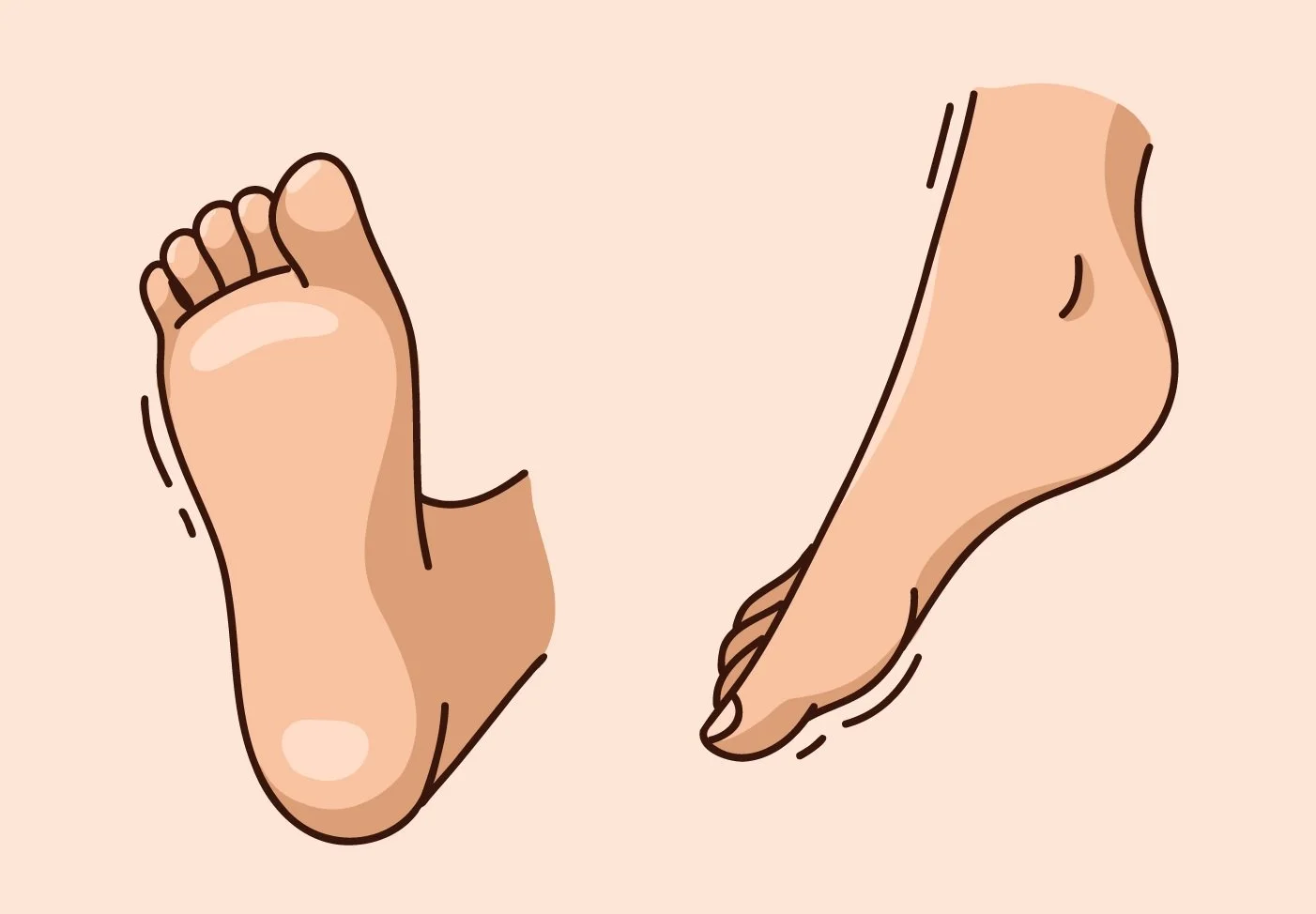
1. Ankle Pumps
Sit or lie down with legs supported.
Slowly point your toes away (like pressing a pedal).
Then pull your toes back toward you.
Repeat 20 times.
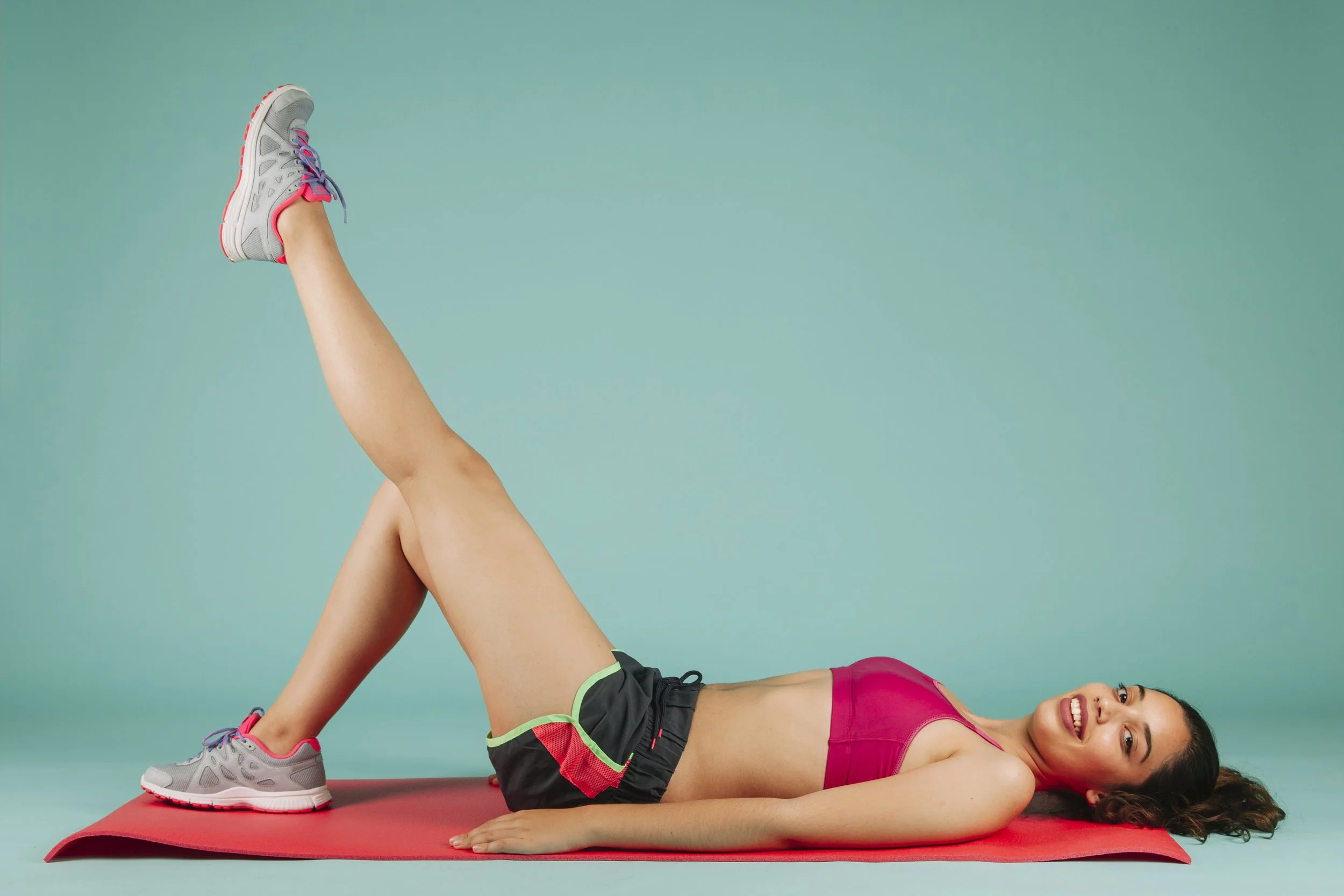
2. Leg Lifts
Lie on the ground.
Straighten one knee and lift the leg slightly.
Hold for 2–3 seconds, then lower slowly.
Repeat 10 times.
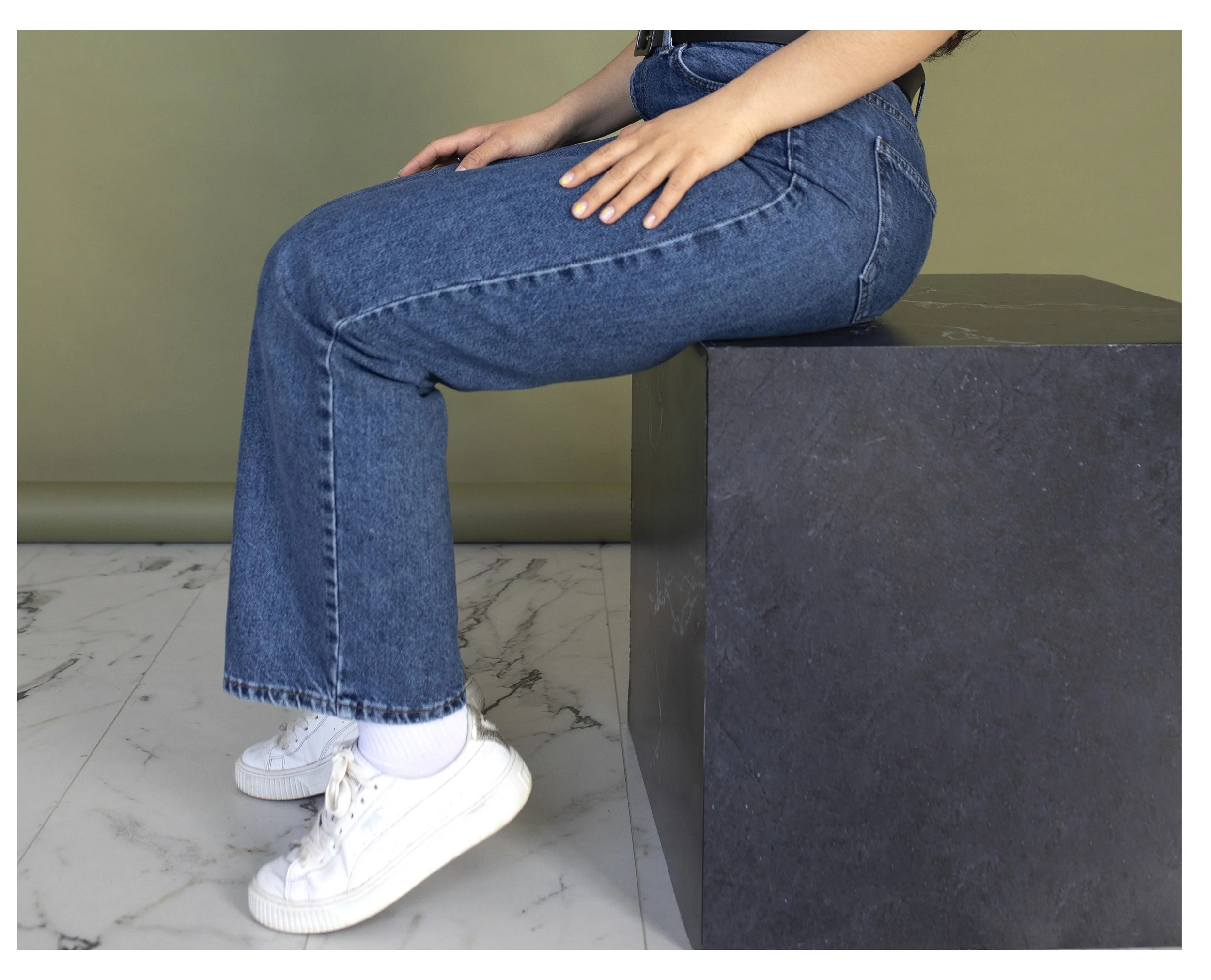
3. Calf Raises (Tip Toes)
Sit on a chair or stable surface
Tiptoe as high as you can, then lower your heels.
Repeat 20 times.
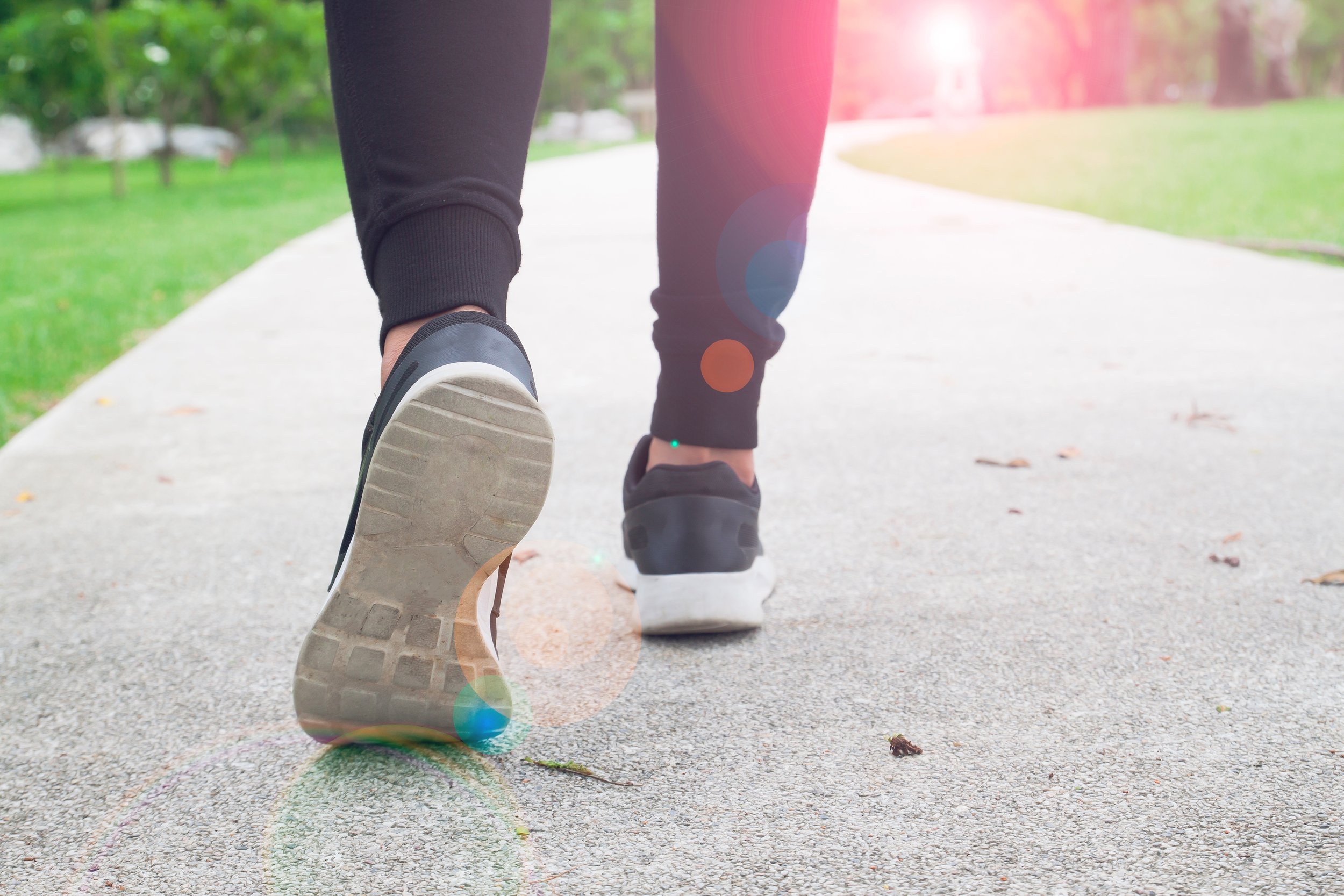
4. Walking
Walk 10-30 minutes daily.
Even frequent short bouts of activity are better than staying still. These help the muscles act as a pump that reduces fluid pooling in the legs.
How Physiotherapy Helps
Physiotherapy helps to manage pitting edema by improving circulation, increasing muscle strength and joint flexibility. This reduces swelling due to fluid build-up in the tissues, improving quality of life.
At Doorstep Rehab, we offer tailored physiotherapy delivered in the privacy of your home. No waiting or travelling required - just expert care brought directly to you. Reserve your private session today.
References
Fu MR, Li Y, Conway C, Masone A, Fang J, Lee C. The Effects of Exercise-Based Interventions on Fluid Overload Symptoms in Patients with Heart Failure: A Systematic Review and Meta-Analysis. Biomedicines. 2022 May 11;10(5):1111. doi: 10.3390/biomedicines10051111. PMID: 35625848; PMCID: PMC9138396.
Goyal A, Singh B, Afzal M. Peripheral Edema. [Updated 2025 Apr 5]. In: StatPearls [Internet]. Treasure Island (FL): StatPearls Publishing; 2025 Jan-. Available from: https://www.ncbi.nlm.nih.gov/books/NBK554452/
